
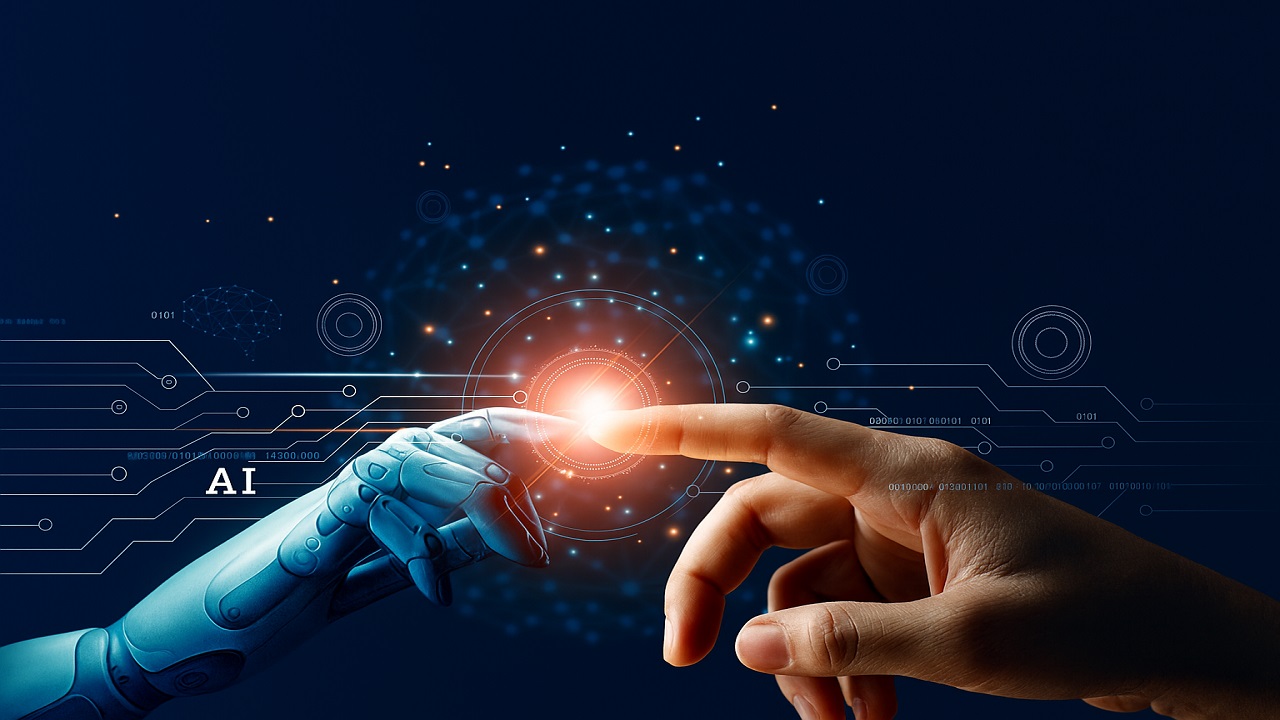
AI Progress, Human Suffering : The Story of Annotators
Context
Artificial Intelligence (AI) has become central to modern technology, powering applications from large language models (LLMs) like ChatGPT and Gemini to self-driving cars, healthcare diagnostics, and social media platforms. However, the success of AI depends heavily on the invisible human workforce—data annotators, moderators, and gig workers—who train and fine-tune these systems. Recently, concerns have emerged about the poor working conditions, low wages, and lack of recognition faced by these workers across several countries.
Important Components of AI
- Artificial Intelligence (AI): Machines performing tasks requiring human intelligence such as problem-solving, decision-making, and language understanding.
- Algorithms: Step-by-step instructions that help machines process data, identify patterns, and make predictions.
- Machine Learning (ML): Enables systems to learn from data and improve without explicit programming.
- Neural Networks: Brain-inspired systems of interconnected nodes for pattern recognition and prediction.
- Deep Learning: Multi-layered neural networks handling complex tasks like image recognition, translation, and autonomous driving.
- Data Annotation: The process of labeling images, audio, video, and text—critical for training AI models.
Role of Humans in AI and Machine Learning
- Dependence on Human Labour: AI systems do not evolve independently; they rely on annotators, moderators, and feedback providers.
- Data Annotation:
- Annotators label raw datasets (e.g., marking a traffic sign in a video for self-driving cars).
- The quality of datasets directly determines the accuracy of AI output.
- Training LLMs:
- Self-supervised learning: Machines learn from large internet datasets.
- Supervised & Reinforcement learning: Humans fine-tune the outputs, provide corrections, and improve accuracy.
- Invisible Human Role in Automation:
- “Automated” features like social media content moderation depend on human-labelled data.
- Workers are exposed daily to graphic and harmful content, leading to PTSD, anxiety, and depression.
- Voice and Performance Roles:
- Voice actors and performers contribute to training AI-generated voices and body movements.
- Feedback and Correction:
- Humans give continuous feedback to improve AI responses and eliminate errors.
Issues Involved
- Labour Outsourcing: Work outsourced to Kenya, India, Pakistan, China, and the Philippines at very low wages.
- Errors in Data:
- Non-experts employed in technical fields cause inaccuracies.
- Example: Kenyan workers asked to label medical scans without relevant expertise.
- Poor Working Conditions:
- In 2024, Kenyan AI workers described their situation as “modern-day slavery.”
- Tasks involve annotating pornography, beheadings, and animal cruelty for less than $2/hour.
- Strict Deadlines and Surveillance:
- Workers monitored constantly, forced to complete microtasks within seconds.
- Falling short leads to dismissal.
- Undermining Labour Laws:
- Companies suppress unions, bypass local laws, and exploit weak enforcement.
- Gig Work and Intermediaries:
- Workers often unaware of the company they serve.
- Engaged through digital platforms offering fragmented, low-paying “microtasks.”
- Lack of Recognition:
- Annotators remain “ghost workers”, invisible yet essential to AI development.
Conclusion
Artificial Intelligence is not self-sustaining—it rests on the labour of millions of unseen annotators, moderators, and gig workers. While AI advances rapidly, the workers behind it face exploitation, poor pay, and mental health challenges. Going forward, there is a pressing need for:
- Stricter regulations on AI companies and digital platforms.
- Transparent labour supply chains ensuring accountability.
- Fair wages, dignity, and safe working conditions for annotators.
- Mental health protections for workers exposed to harmful content.
Without these reforms, the growth of AI risks being built on systemic exploitation rather than ethical innovation.
Source : The Hindu